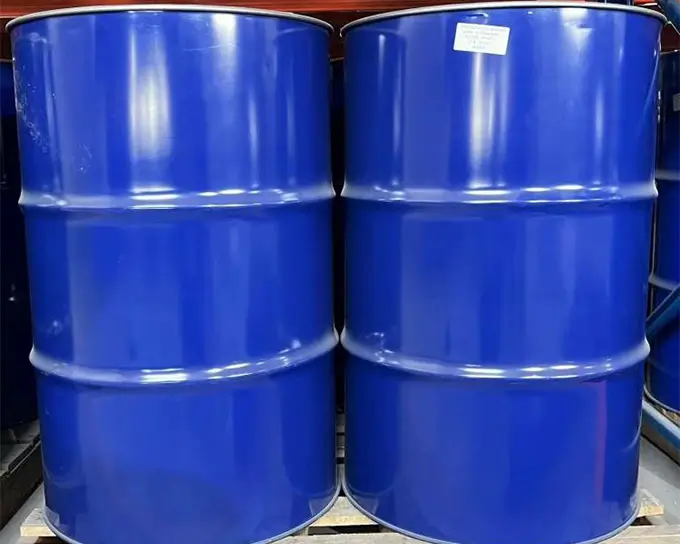
Description
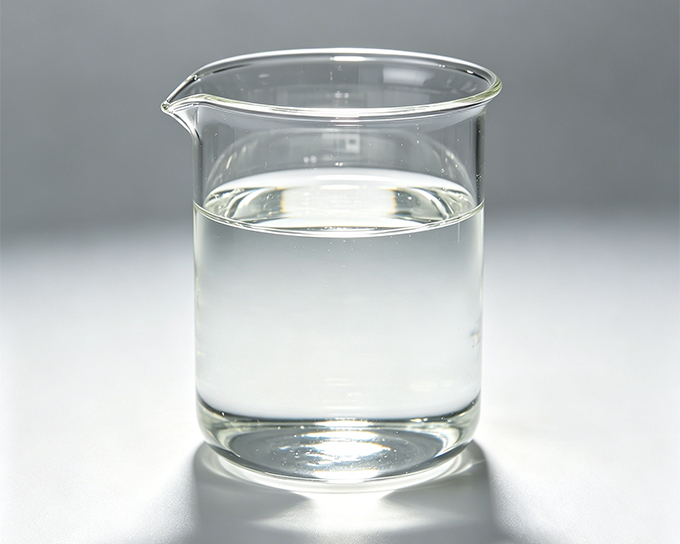
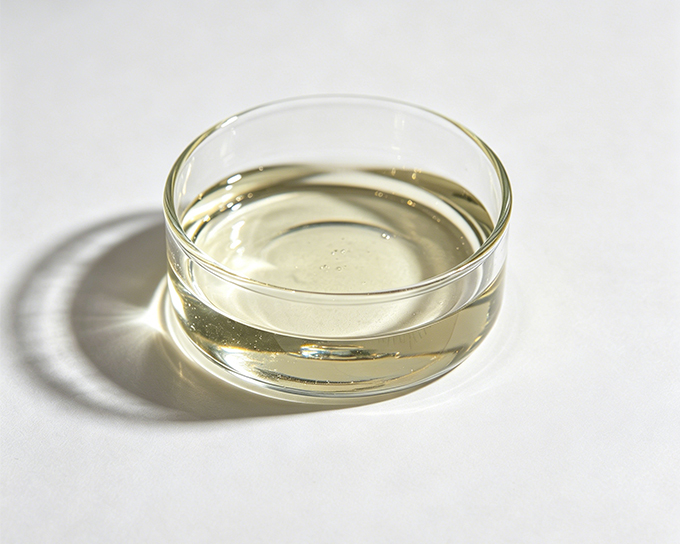
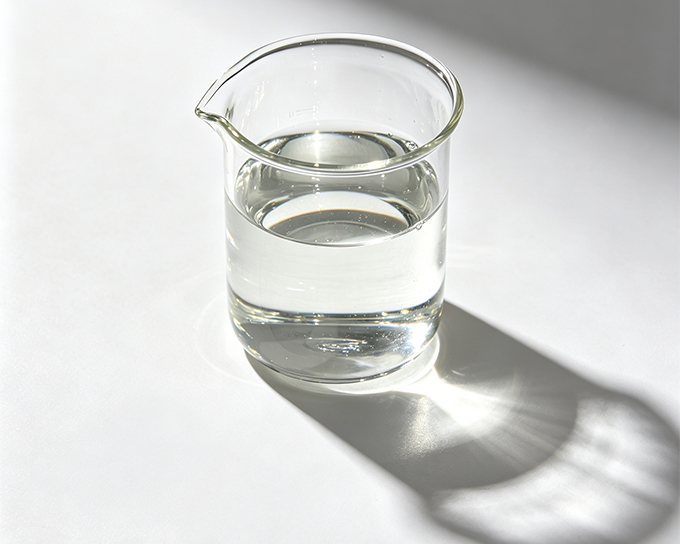
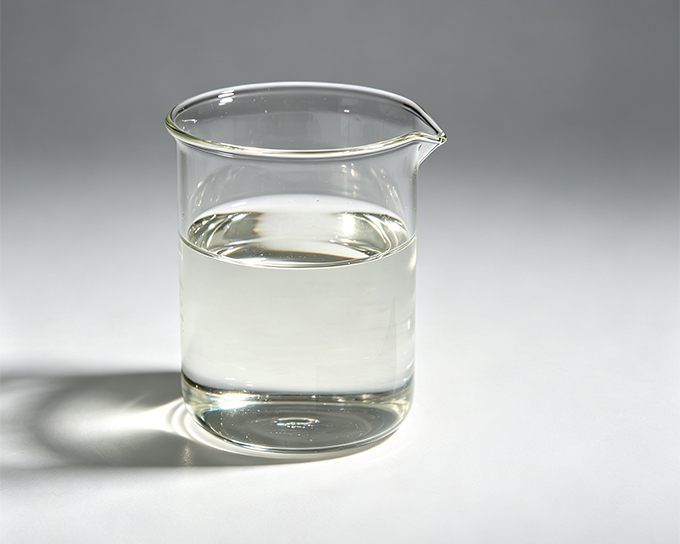
At room temperature, perfluoropolyether (PFPE) oil is a colorless, transparent, oily liquid. It exhibits exceptional resistance to high temperatures, chemical corrosion, oxidation, and radiation, making it primarily suitable as a lubricant and vacuum pump oil. Due to its outstanding stability and safety—particularly its unparalleled reliability when operating under extremely harsh conditions—no other working medium can rival PFPE oil in such severe environments.
Applications
Nuclear Industry
When used as a bearing lubricant for ultracentrifuges, PFPE oil is the only lubricant capable of resisting the chemical impact of uranium hexafluoride at temperatures above 130°C while maintaining an exceptionally low vapor pressure.
Electrical Industry
Used for the lubrication of arc-resistant switches and sliding contact components.
Mechanical Engineering
Suitable for high-speed bearings, particularly under extreme high temperatures and harsh environments, extending bearing service life by 5 to 50 times.
Electronics Industry
Ideal as mechanical vacuum pump oil for plasma etching processes in integrated circuit (IC) manufacturing.
Medicine & Food
Highly safe and non-toxic (food-grade quality). It effectively lubricates, seals, and protects machinery and equipment, significantly extending their service life.
Chemical Industry
Acts as a high-performance lubricant for various vacuum pumps, compressors, and valves operating in working environments with chemically corrosive gases.
Magnetic Media Industry
Serves as an advanced lubricant for hard drives, magnetic disks, and other magnetic recording media used in computers, DVD players, and automatic recording devices.
Automotive Industry
Widely applied in starters, power rearview mirrors, door locks, manual/power window regulators, handbrake cables, final drives (main reducers), disc brake caliper pistons, clutch release bearings, and brake master/wheel cylinders. It effectively minimizes component friction, reduces Noise, Vibration, and Harshness (NVH), and enhances passenger riding comfort.
Aerospace Military Industry
Suitable for the lubrication and sealing of gear pumps, valves, regulators, pressure gauges, metallic joints, and threaded fasteners within the liquid fuel and oxidizer systems of liquid-propellant rocket engines. It is also extensively applied in spacecraft oxygen supply systems to lubricate and seal pipelines, valves, packings, bearings of axial-flow blowers delivering breathable oxygen, and various components of astronaut life-support oxygen apparatuses.
Parameter
| Environmental Conditions / Factors | Conventional Lubricants | PFPE Oils (Perfluoropolyether) |
| Oxygen | Slow oxidation, producing acids or sludge; violent oxidation leading to fire or explosion. | No reaction, non-flammable. |
| High Temperature | Accelerated oxidation, carbon deposition or coking; accelerated volatilization and leakage. | No carbon deposition, low volatility, no migration/loss. |
| Water or Humid Environment | Emulsification, easily washed away by water. | Insoluble in water. |
| Chemical Substances | Corroded by acids, bases, organic solvents, etc. | High chemical stability. |
| Contact Components | Corrodes sealing materials, causes lubricant leakage, and damages equipment. | Broad material compatibility, non-corrosive. |
| Property / Test Method | HR1506 | HR1514 | HR1525 |
| Viscosity, cSt, ASTM D445 | |||
| 20℃ (68°F) | 60 | 140 | 250 |
| 50℃ (122°F) | 15.5 | 32 | 52 |
| 100℃ (212°F) | 4.1 | 7.2 | 10.6 |
| Pour Point, ASTM D97 | |||
| ℃ | -60 | -54 | -48 |
| ℉ | -76 | -65 | -54 |
| Density, g/mL | |||
| 20℃ (68°F) | 1.88 | 1.89 | 1.9 |
| 50℃ (122°F) | 1.82 | 1.83 | 1.84 |
| Density, g/mL | |||
| 100℃ (212°F) | 1.73 | 1.74 | 1.75 |
| 200℃ (392°F) | 1.54 | 1.55 | 1.56 |
| Evaporation Loss, ASTM D2595 | |||
| 22-Hour Mass Loss (wt%) @ 121℃ (250°F) | 6.5 | 1.3 | 0.6 |
| Property / Test Method | HR110 | HR101 | HR102 | HR103 | HR104 | HR105 |
| Useful Temperature Range | ||||||
| ℃ | <-70 ~ 66 | <-70 ~ 104 | <-63 ~ 132 | <-60 ~ 154 | <-51 ~ 179 | <-36 ~ 204 |
| ℉ | <-94 ~ 150 | <-94 ~ 220 | <-81 ~ 270 | <-76 ~ 310 | <-60 ~ 355 | <-33 ~ 400 |
| Viscosity, cSt, ASTM D445 | ||||||
| 20℃ (68°F) | 7 | 16 | 36 | 80 | 180 | 550 |
| 40℃ (104°F) | 4 | 8 | 15 | 30 | 60 | 160 |
| 100℃ (212°F) | – | 2 | 3 | 5 | 9 | 18 |
| Viscosity Index, ASTM D2270 | – | – | 29 | 92 | 124 | 134 |
| Pour Point, ASTM D97 | ||||||
| ℃ | <-70 | <-70 | <-63 | <-60 | <-51 | <-36 |
| ℉ | <-94 | <-94 | <-81 | <-76 | <-60 | <-33 |
| Density, g/mL | ||||||
| 0℃ (32°F) | 1.87 | 1.89 | 1.91 | 1.92 | 1.93 | 1.94 |
| 100℃ (212°F) | 1.67 | 1.7 | 1.72 | 1.74 | 1.75 | 1.76 |
| Evaporation Loss, ASTM D972 | ||||||
| 22-Hour Mass Loss (wt%) | ||||||
| 66℃ (150°F) | 11 | 2 | 2 | 1 | 1 | 1 |
| 121℃ (250°F) | 87 | 35 | 20 | 7 | 3 | 2 |
| 204℃ (400°F) | – | – | – | – | – | 10 |